Kamis, 09 Desember 2021

Npr And Low Carb Diets

Npr And Low Carb Diets

Low-carbohydrate fad diet devised by Robert Atkins

Dr. Atkins' Diet Revolution, first published in 1972.[1]

The Atkins diet is a low-carbohydrate fad diet devised by Robert Atkins in the 1970s, marketed with claims that carbohydrate restriction is crucial to weight loss and that the diet offered "a high calorie way to stay thin forever".[2] [1]

The diet became popular in the early 2000s, with Atkins' book becoming one of the top 50 best-selling books in history, and as many as 1 in 11 North American adults claiming to be following it. Atkins died in 2003 and in 2005 Atkins Nutritionals, Inc. filed for bankruptcy following substantial financial losses.

There is no good evidence of the diet's effectiveness in achieving durable weight loss; it is unbalanced as it promotes unlimited consumption of protein and saturated fat, and it may increase the risk of heart disease.[3] [4] [5] [6]

Effectiveness and risks [edit]

There is weak evidence that the Atkins diet is more effective than behavioral counseling for weight loss at 6-12 months.[5] The Atkins diet led to 0.1% to 2.9% more weight loss at one year compared to control groups which received behavioural counselling for weight loss.[5] As with other commercial weight loss programs, the effect size is smaller over longer periods.[5] [7] Low-carb dieters' initial advantage in weight loss is likely a result of increased water loss, and that after the initial period, low-carbohydrate diets produce similar fat loss to other diets with similar caloric intake.[8]

The diet may increase the risk of heart disease.[6] [9] A medical report issued by the New York medical examiner's office a year after the author's death showed that he had a history of heart attack, congestive heart failure and hypertension.[10] The Atkins diet has been criticized by the American Medical Association, American Dietetic Association and the American Heart Association as nutritionally unbalanced.[1] [11]

Modified Atkins and epilepsy [edit]

Ketogenic diets are used to treat epilepsy in children. There is some evidence that adults too may experience seizure reduction derived from therapeutic ketogenic diets, and that a less strict regimen, such as a modified Atkins diet, is similarly effective.[12]

Description [edit]

Bacon and eggs, foods consumed on the Atkins diet

The Atkins diet has been described as a low-carbohydrate, high-fat, high-protein fad diet.[1] It promotes the consumption of meat, cheese, eggs and other high-fat foods such as butter, mayonnaise and sour cream in unlimited amounts whilst bread, cereal, pasta and other carbohydrates are forbidden.[1] [3] Atkins' book New Diet Revolution has sold 12 million copies. It has been described as "the bestselling fad-diet book ever written."[1]

Preferred foods in all categories are whole, unprocessed foods with a low glycemic index, although restrictions for low glycemic carbohydrates (black rice, vegetables, etc.) are the same as those for high glycemic carbohydrates (sugar, white bread). Due to concerns from medical experts about the high-fat content of the diet, the Atkins Nutritionals company that market foods for the diet, recommends that no more than 20% of calories eaten while on the diet come from saturated fat.[13]

Proposed mechanism [edit]

The diet was inspired by a low-carbohydrate approach published by Alfred W. Pennington, based on research Pennington did during World War II at DuPont.[14] The Atkins diet is promoted with claims that carbohydrate restriction is the "key" to weight loss.[2]

In his early books such as Dr Atkins' New Diet Revolution, Atkins made the controversial argument that the low-carbohydrate diet produces a metabolic advantage because "burning fat takes more calories so you expend more calories"; the Atkins diet was claimed to be "a high calorie way to stay thin forever".[15] [16] He cited one study in which he estimated this advantage to be 950 calories (4.0 MJ) per day. A review study published in Lancet [17] concluded that there was no such metabolic advantage and dieters were simply eating fewer calories. Astrup stated, "The monotony and simplicity of the diet could inhibit appetite and food intake." David L. Katz has characterized Atkins' claim as nonsense.[2] The idea of "metabolic advantage" of low-carbohydrate dieting has been falsified by experiment in a study of people following restricted-carbohydrate dieting.[15]

Society and culture [edit]

Commercialization [edit]

Atkins Nutritionals was founded in 1989 by Atkins to promote the sale of Atkins-branded products. Following his death, waning popularity of the diet and a reduction in demand for Atkins products, Atkins Nutritionals, Inc. filed for Chapter 11 bankruptcy protection on July 31, 2005 citing losses of $340 million.[18] It was subsequently purchased by North Castle Partners in 2007 and switched its emphasis to low-carb snacks.[19] In 2010, the company was acquired by Roark Capital Group.[20] In 2017, Roark Capital Group announced that it would merge Atkins Nutritionals with Conyers Park Acquisition Corp to form a public company called Simply Good Foods.[21]

History [edit]

Atkins' idea were first published in his 1972 book Dr. Atkins' Diet Revolution: The High Calorie Way to Stay Thin Forever.[1]

The diet gained widespread popularity in 2003 and 2004. At the height of its popularity one in eleven North American adults claimed to be on a low-carb diet such as Atkins.[22] This large following was blamed for large declines in the sales of carbohydrate-heavy foods like pasta and rice: sales were down 8.2 and 4.6 percent, respectively, in 2003. The diet's success was even blamed for a decline in Krispy Kreme sales.[23] Trying to capitalize on the "low-carb craze", many companies released special product lines that were low in carbohydrates.

Around that time, the percentage of American adults on the diet declined to two percent and sales of Atkins brand products fell steeply in the second half of 2004.[24]

A 2021 review article observed that, 50 years after it was first mooted, the Atkins diet was "coming back on the quackery scene again".[25]

Cost [edit]

An analysis conducted by Forbes magazine found that the sample menu from the Atkins diet was one of the top five in the expense category of ten plans Forbes analyzed. This was due to the inclusion of recipes with some high cost ingredients such as lobster tails which were put in the book to demonstrate the variety of foods which could be consumed on the diet. The analysis showed the median average of the ten diets was approximately 50% higher, and Atkins 80% higher, than the American national average. The Atkins diet was less expensive than the Jenny Craig diet and more expensive than Weight Watchers.[26]

Failed lawsuit [edit]

In 2004, Jody Gorran sued the estate of Robert Atkins and his company seeking $28,000 in damages.[27] [28] Gorran stated that he had followed the Atkins diet for two years and it raised his LDL-cholesterol so much that a major artery became clogged and he required an angioplasty and stent insertion to open it.[4] [27] On the Atkins diet he was eating large amounts of cheese which is high in saturated fat. Gorran commented that "the issue with the Atkins Diet was not so much that my cholesterol went up but it's the fact that the Atkins empire constantly stated that in the absence of refined carbohydrates, eating a great deal of saturated fat would not be a problem and that was a lie."[29] The lawsuit was dismissed in 2007 as the Atkins diet consists of only "advice and ideas" that are protected by the First Amendment.[30]

See also [edit]

  • Online weight loss plans
  • Dukan Diet
  • KE Diet
  • Ketogenic diet
  • List of diets

References [edit]

  1. ^ a b c d e f g Gardiner S, Gilman SL (2008). "Atkins, Robert, MD (1930-2003)". In Gilman SL (ed.). Diets and Dieting: A Cultural Encyclopedia. Routledge. p. 12. ISBN978-1-135-87068-3.
  2. ^ a b c Katz DL (2003). "Pandemic obesity and the contagion of nutritional nonsense". Public Health Rev. 31 (1): 33–44. PMID 14656042.
  3. ^ a b Longe, Jacqueline L. (2008). The Gale Encyclopedia of Diets: A Guide to Health and Nutrition. The Gale Group. pp. 84-87. ISBN 978-1-4144-2991-5
  4. ^ a b "Alleged Atkins Diet Victim Files Suit". Quackwatch. Retrieved October 14, 2020.
  5. ^ a b c d Gudzune, KA; Doshi, RS; Mehta, AK; Chaudhry, ZW; Jacobs, DK; Vakil, RM; Lee, CJ; Bleich, SN; Clark, JM (7 April 2015). "Efficacy of commercial weight-loss programs: an updated systematic review". Annals of Internal Medicine. 162 (7): 501–12. doi:10.7326/M14-2238. PMC4446719. PMID 25844997. Atkins resulted in 0.1% to 2.9% greater weight loss at 12 months than counseling.
  6. ^ a b Alters S, Schiff W (22 February 2012). Chapter 10: Body Weight and Its Management. Essential Concepts for Healthy Living (Sixth ed.). Jones & Bartlett Publishers. p. 327. ISBN978-1-4496-3062-1.
  7. ^ Harper, A; Astrup, A (2004). "Can we advise our obese patients to follow the Atkins diet?". Obesity Reviews (editorial). 5 (2): 93–94. doi:10.1111/j.1467-789X.2004.00137.x. PMID 15086862. S2CID 40176596. Despite the popularity and apparent success of the Atkins diet, documented scientific evidence in support of its use unfortunately lags behind.
  8. ^ Freedman, Marjorie R; King, Janet; Kennedy, Eileen (2001). "Executive Summary". Obesity Research. 9: 1S–40S. doi:10.1038/oby.2001.113. PMID 11374180.
  9. ^ "What Is the Atkins Diet? Read the Expert Review". www.webmd.com. Archived from the original on 17 January 2010. Retrieved 2010-01-17 .
  10. ^ "Report Details Dr. Atkins's Health Problems". Wall Street Journal . Retrieved January 1, 2015.
  11. ^ St Jeor ST, Howard BV, Prewitt TE, Bovee V, Bazzarre T, Eckel RH (October 2001). "Dietary protein and weight reduction: a statement for healthcare professionals from the Nutrition Committee of the Council on Nutrition, Physical Activity, and Metabolism of the American Heart Association". Circulation. 104 (15): 1869–74. doi:10.1161/hc4001.096152. PMID 11591629.
  12. ^ Freeman, JM; Kossoff, EH; Hartman, AL (March 2007). "The ketogenic diet: one decade later". Pediatrics. 119 (3): 535–43. doi:10.1542/peds.2006-2447. PMID 17332207. S2CID 26629499.
  13. ^ "Atkins diet boss: 'Eat less fat'". BBC News. BBC. January 19, 2004. Retrieved September 12, 2007.
  14. ^ Martin, Douglas (April 18, 2003). "Dr. Robert C. Atkins, Author of Controversial but Best-Selling Diet Books, Is Dead at 72". The New York Times.
  15. ^ a b Hall KD (2017). "A review of the carbohydrate-insulin model of obesity". Eur J Clin Nutr (Review). 71 (3): 323–326. doi:10.1038/ejcn.2016.260. PMID 28074888. S2CID 54484172.
  16. ^ Atkins, Robert (2003-09-25). Dr. Atkins' New Diet Revolution, Revised Edition . .Evans. ISBN978-1-59077-002-3.
  17. ^ Astrup, Arne; Larsen, Thomas Meinert; Harper, Angela (2004). "Atkins and other low-carbohydrate diets: Hoax or an effective tool for weight loss?". The Lancet. 364 (9437): 897–9. doi:10.1016/S0140-6736(04)16986-9. PMID 15351198. S2CID 24756993.
  18. ^ Atkins Nutritionals files for bankruptcy – AP 1 August 2005.
  19. ^ "Atkins firm seeks financial help". BBC News. August 1, 2005.
  20. ^ Bills, Steve (20 March 2013). "Atkins delivers $118 mln dividend to Roark Capital". Reuters.
  21. ^ Allison, David (11 April 2017). "Atlanta's Roark Capital in deal to form The Simply Good Foods Company". www.bizjournals.com . Retrieved 2019-11-19 .
  22. ^ Kaufman, Wendy (August 3, 2005). "Atkins Bankruptcy a Boon for Pasta Makers". NPR.
  23. ^ Schooler, Larry (June 22, 2004). "Low-Carb Diets Trim Krispy Kreme's Profit Line". NPR. Retrieved 12 March 2017.
  24. ^ Howard, Theresa (1 August 2005). "Atkins Nutritionals files for bankruptcy protection". USA Today . Retrieved 11 November 2012.
  25. ^ Schutz Y, Montani JP, Dulloo AG (March 2021). "Low-carbohydrate ketogenic diets in body weight control: A recurrent plaguing issue of fad diets?". Obes Rev (Review). 22 Suppl 2: e13195. doi:10.1111/obr.13195. PMID 33471427.
  26. ^ Costly Calories Forbes.com
  27. ^ a b "Dieter Sues Atkins Estate and Company". The New York Times. Retrieved October 14, 2020.
  28. ^ "Atkins dieter sues after heart op". BBC News. Retrieved October 14, 2020.
  29. ^ "Gorran: Atkins suit a 'quest for knowledge'". CNN.com. Retrieved October 14, 2020.
  30. ^ "Judge tosses suit of Florida man on Atkins diet". Reuters. Retrieved October 14, 2020.

External links [edit]

  • Official Atkins corporate site Archived 2014-12-19 at the Wayback Machine

Npr And Low Carb Diets

Source: https://en.wikipedia.org/wiki/Atkins_diet

Share:

Rabu, 08 Desember 2021

Low Carb Diet Anti Aging

Low Carb Diet Anti Aging

We are not fans of fad diets here at Lumity. We believe that eating a balanced diet which is packed with vegetables, fruit, some fish and lean meat – as well as a little bit of what you fancy – is all the nutrition your body needs. But when new trends pop up its always worth investigating…

You may have heard of the 'keto diet' and see the keto hashtag on Instagram where rich – certainly not diet looking – meals and 'fat-balls' abound. You may also have heard fans of the diet discussing the 'macros' of their meals and fat, rather than anything else, seems to be key.

But what is a keto or ketogenic diet and why are those following it sure it's not only helping them get into their best ever shape but also helping them look and feel younger too?

What is a ketogenic diet?

Put simply, a ketogenic diet is a high fat, low carb diet with a moderate amount of protein.

The reasoning is that modern Western diets, which are high in sugars and carbs, have switched off our bodies' natural fat-burning abilities.

Instead of burning the fat, the ketones, we have in our bodies and foods we get our energy from sugar and its derivatives. By eliminating sugar and starches we can turn our fat-burning abilities back on.

Followers consume 50-70% of their food intake in the form of 'healthy' fats such coconut oil, grass-fed cow butter, eggs, avocado, and raw nuts.

The majority of the rest of their food would be protein with no refined sugar or high carbohydrate foods.

Starch free vegetables are allowed, mainly with avocado or olive oil dressings, but higher glycemic index vegetables, like potatoes and parsnips, would be avoided.

How does the keto diet help with anti-ageing?

There are a number of ways the keto diet can help prevent ageing.

The main one is that the absence of much sugar in sugar or carbohydrate form, means blood sugar levels are reduced.

High blood sugar levels add to ageing as they increase tissue damage, including damage to skin and collagen.

Low carb diets have been found to mimic the effect of fasting in the body, which we now know is positive for cellular health, as a number of studies, like this one, have shown how reducing calorie intake also reduces oxidative damage in the body.

Inflammation within the body has also been linked to ageing. So the fact that lower carb diets have been linked to lower inflammation in our bodies also point to a ketogenic diet helping hold back ageing.

"Anti-ageing scientists are now pretty sure that one of the forces behind the ageing and senescence process is the junk protein matter that accumulates in the cells, hampering cellular function," says Dr Michael Eades, a metabolic medicine and weight loss expert.

"If the junk builds up enough, it basically crowds out the working part of the cell, killing the cell off in the process.

"As this inexorable process proceeds, more and more cells function less and less well until we, as a being, cease to function.

"There are other processes driving the ageing function besides this accumulation of cellular debris, but if we can make some headway with cleaning out the junk, then we should be able to make the cells, and by extension us, function better for longer."

The ketogenic diet and antioxidants

Watch any advert about anti-ageing and there will be talk of free radicals, how they accelerate the ageing process and how antioxidants can help reverse this process.

Free radicals are chemically reactive molecules which can bind to cells. They cause damage and inflammation to cellular DNA and other proteins. In order to stop free radical damage – and therefore slow the ageing process – it makes sense to increase the amount of antioxidants in the body.

Antioxidants work by neutralising and making stable free radicals so they stop damaging the body.  A ketogenic diet has been found to increase the production of some antioxidants in our bodies.

Which nutrients are essential to slow premature ageing?

Antioxidants are helpful there's no disputing that. BUT, that's also a very narrow view of how and why the body ages.

To effectively slow premature ageing it's important to take an approach that tackles everything – from naturally boosting your HGH levels, to slowing down telomere shortening, glycation and cellular decline which are all processes within the body that we have to keep in mind.

Rather than following a restrictive diet, we recommend balance, and ensuring that you get the right amount of nutrients and amino acids into your body at the right time and on a daily basis.

We've formulated our supplements to work in tandem with your natural biological processes. Containing a number of the nutrients your body needs, and nothing it doesn't require, Lumity works to support the healthy functioning of your body to help you look and feel your best.

Did you enjoy reading this?

Please Share

Low Carb Diet Anti Aging

Source: https://my.lumitylife.com/is-the-ketogenic-diet-the-ultimate-anti-ageing-diet/

Share:

Selasa, 07 Desember 2021

What Are Good Snacks For Low Carb Diet

What Are Good Snacks For Low Carb Diet

A low-carb or carb-free diet can help steer you away from sugary and starchy foods like bread, pasta, and cereal. Low-carb diets are high in protein and fats and can offer an alternative to counting calories or grams. The diet isn't for everyone, however; people with medical conditions such as diabetes or high blood pressure, as well as pregnant and nursing women, should consult with their general practitioner before making significant dietary changes. Even when a lot of treats are off the table, there are still some great options for people given the go-ahead to adopt a low-carb diet.

Eggs

Eggs are an excellent low-carb food. They contain almost zero carbohydrates, but provide plenty of nutrients including vitamins A, D, E, and B, calcium, iron, phosphorus, zinc, and selenium. Egg yolks contain choline, which is essential for brain development, nerve function, muscle movement, and energy. Eggs are one of the most affordable sources of quality protein.

Fish

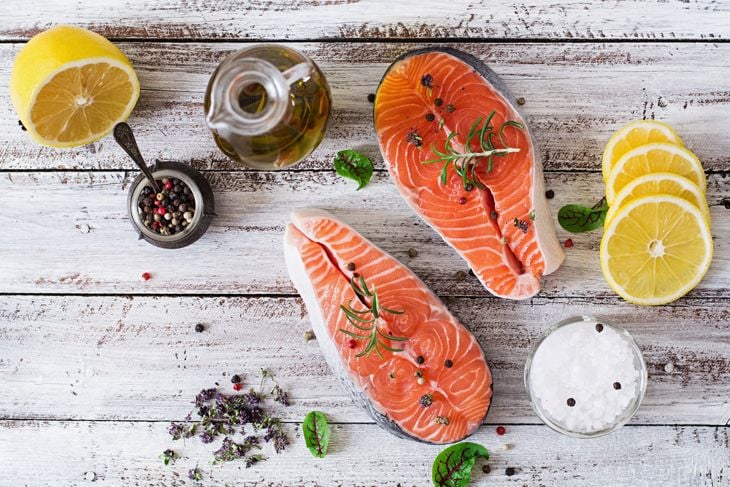
Seafood, including salmon, tuna, mackerel, haddock, trout, sardines, and anchovies, are free of carbohydrates. Fish is rich in fats and protein. Fatty fish, including salmon, char, mackerel, and sardines, are some of the best for your health because they contain omega-3 fatty acids that fight inflammation and lower the risk of developing conditions such as autoimmune diseases, metabolic syndrome, heart disease, Alzheimer's disease, and cancer. These nutrients are particularly vital during pregnancy; the fetal brain requires them for healthy development.

Red meat

Red meat, including beef, lamb, pork, and veal, is also carb-free, excepting organ meats like liver. Beef is full of iron and vitamin B12, which helps make DNA and keeps nerves and red blood cells healthy. Depending on the cut, meat may be more or less fatty. This makes it possible to choose your dinner options based on the ratio of fat to protein you need that day.

Poultry

Chicken, turkey, and duck are quality protein sources that contain zero carbohydrates. If you're looking for lean protein, chicken breast contains 80% protein and 20% fat. Some people on low-carb diets prefer to stick to fattier cuts such as the thigh, leg, and wing, however. Chicken provides plenty of essential vitamins and minerals and is low in cholesterol and sodium when the right portion size is properly prepared.

Cheese

Hard cheeses like Muenster, Gouda, cheddar, Colby-Jack, and Swiss are generally no more than one or two percent carbohydrate. Cheese is high in fat and a great source of protein as well. It also boasts ample quantities of vitamin B12 and calcium. Cheese comes in many flavors and textures, making it a versatile food.

Greek Yogurt

While not completely carb-free, Greek yogurt is a low-carb option, usually made up of about 12 grams per cup, and has around 40% of your recommended daily intake (RDI) of protein. It is also a great source of calcium and phosphorus. One of the most beneficial things about yogurt is its probiotic content. Probiotics are good bacteria essential to gut health. They boost immune system function, aid in nutrient absorption, and fight off bad bacteria.

Butter

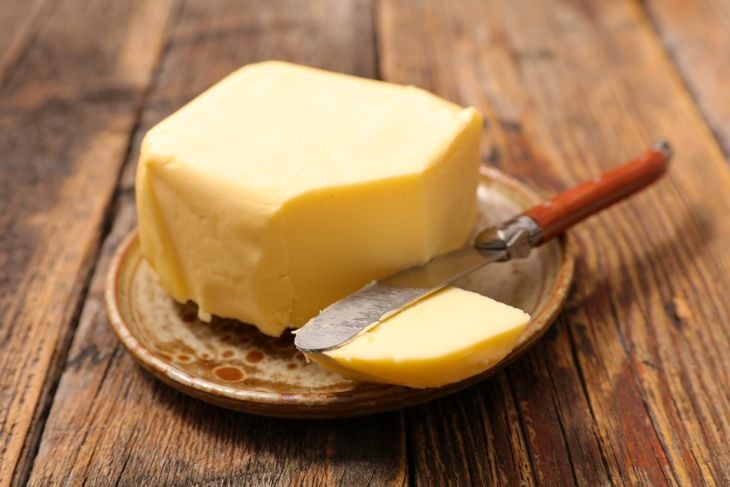
Butter is approximately 80% fat and 20% water. It does not contain any carbohydrates or proteins. It is, however, a great source of vitamins A, D, and E. Butter is also rich in healthy saturated fats that raise good HDL cholesterol, but it can raise bad LDL cholesterol and as such should be consumed in moderation. The America Heart Association recommends eating only 13 grams of saturated fat every day. Butter contains many fatty acids that support brain development, as well, making it a good condiment for growing children.

Nuts and seeds

Nuts and seeds are popular low-carb diet options. These "brain foods" are an excellent source of omega-3 fatty acids and contain plenty of antioxidants for optimal brain function. Almonds are 15% carbs, 72% fats, and 13% protein; while they may not be as low-carb as walnuts, one serving has only 9 grams of carbs, about half of which is fiber. Seeds, including hemp, chia, flax, and pumpkin, are all relatively low in carbs and high in healthy fats and protein, as well. Best of all, they're an easy grab-and-go pick for snacks.

Oil

All oils are carb-free, but the healthiest are unrefined or cold-pressed, including extra-virgin olive, coconut, and avocado oils. Olive oil is loaded with antioxidants, anti-inflammatories, and anti-cancer compounds and is proven to be particularly supportive of heart health, helping fend off strokes and heart attacks.

Low-Carb vegetables

Some vegetables are high in carbs, and some are not. Low carb veggies include asparagus, mushrooms, broccoli, cauliflower, bell peppers, cucumbers, zucchini, spinach, green beans, lettuce, kale, and collard greens. Vegetables to avoid on a low-carb diet include the sweet or starchy ones such as potatoes, sweet potatoes, yams, peas, corn, parsnips, and legumes.

Avocados

Avocados are a unique fruit because instead of being high in carbs, like most of their kind, they are full of healthy fats. They have a wide and varied nutritious profile and even contain more potassium than a banana. They're an excellent source of vitamins C, E, and K, as well as B-vitamins, folate, and many essential minerals.

Low-Carb Beverages

Watch out. There are a lot of carbs hiding in sugary drinks like soda and juice. If you're on a low-carb diet, try to steer clear of beverages with added sugar. People on this diet can opt for water, coffee, tea, and sparkling water.

What Are Good Snacks For Low Carb Diet

Source: https://facty.com/food/nutrition/12-low-carb-foods-for-dieting/

Share:

Senin, 06 Desember 2021

Dr Nowzaradan 1200 Calorie Low Carb Diet

Dr Nowzaradan 1200 Calorie Low Carb Diet

Are you thinking of trying out Dr Nowzaradan's 1200 calorie diet? Perhaps you've seen it on TV or heard about its use with weight loss patients but aren't sure if it's safe. After all, 1200 calories doesn't really sound like a lot to survive on! If you're keen to learn more and find out whether its truly effective, then this article is for you. In it, we explore the Dr Nowzaradan diet in detail including why he recommends it, the foods that are allowed and restricted, along with a 7-day meal plan.

  • What You Should Know About The 1200 Calorie Diet Plan
  • Who Is Dr Nowzaradan and Why Does He Recommend A 1200 Calorie Diet Plan?
  • 1200 Calorie Diet and Bariatric Surgery
  • Foods to Eat on A 1200 Calorie Diet
  • Foods to Avoid on This Diet
  • 1200 Calorie 7-Day Meal Plan
  • Aid Your Weight Loss with Natural Supplements

What You Should Know About The 1200 Calorie Diet Plan

The 1200 calorie diet is a restrictive eating plan that limits food and drink consumption. Participants must not consume more than 1200 calories each day in order to create an energy deficit. The average American consumes over 3600 calories daily so this is a sharp decrease for most people. Because of its extreme nature, it is only recommended for people who are morbidly obese (those who weigh 600+ pounds). The diet is used in preparation for bariatric surgery and not recommended as a long-term lifestyle change for those looking to lose weight.

Who Is Dr Nowzaradan and Why Does He Recommend A 1200 Calorie Diet Plan?

Dr Nowzaradan is a surgeon who specializes in bariatric procedures. He has over 40 years of experience and gained popularity as the consultant in a TV show called 'My 600-Lb Life'. In it, he helped people struggling with morbid obesity to lose weight and improve their health. These patients were given super-strict diet plans, exercise programs, and underwent surgical procedures in order to shift their life-threatening excess weight.

Dr Nowzaradan's 1200 calorie diet plan was created for bariatric surgery patients. It was designed to help them lose as much weight as possible prior to the surgery taking place. Any medical procedure has an element of risk but those carried out on obese patients come with greater risk factors. By helping patients to lose weight in advance of the surgery, Dr Nowzaradan minimizes some of the risk involved.

You might be asking yourself what's so special about the 1200 calorie target? Why not 1500 or 900 instead? Well according to research, following a 1200 calorie diet has been proven to be highly effective for weight loss in obese patients. Another study also found that limiting calories to 1200 led to a reduction in the hunger hormone, leptin, which likely makes it easier to stick with. However, restricting calories in this way has also been shown to increase stress hormone levels and negatively affect mental wellbeing, so it's not ideal for losing weight in an unsupervised environment.

1200 Calorie Diet and Bariatric Surgery

The Dr Nowzaradan diet isn't just about reducing surgery risks. Although this is a vitally important element, it also has other benefits for his patients. Here are a few of the advantages of his 1200 calorie diet…

  • Helps people to lose weight quickly which reduces surgery risks
  • Enables them to develop healthier eating habits involving whole foods
  • Helps people to get used to smaller portions which they'll need to stick with following surgery
  • Forces patients to demonstrate their commitment to a healthy lifestyle

Bariatric surgery is a serious weight loss procedure. The diet helps patients to prepare for it and the life they'll have afterwards too. The surgery reduces the volume of the stomach so people can't eat as much. This is why it's important to develop healthy eating habits and get used to smaller portion sizes. Addressing these issues in advance helps patients to adjust to their new post-surgery body much more quickly.

Some people also believe that it's a way of testing patients to see if they're really committed to improving their health. It's easy to think that surgery is a quick fix that doesn't involve any willpower. But the truth is that all those cravings, emotions, and triggers will still be there after the surgery. So, it's vital to be proactive about resolving them head-on. People who stick to the 1200 calorie diet demonstrate their ability to stick with the eating plan. This makes them a better candidate as the surgery is more likely to result in successful weight loss for the long-term.

Foods to Eat on A 1200 Calorie Diet

The Dr Nowzaradan diet encourages people to consume whole foods like vegetables and lean proteins. Eating a diet high in vegetables has been shown to increase life expectancy and reduce the risk of chronic diseases. Veggies are filling and nutritious yet don't contain many calories which makes them ideal for those wanting to lose weight in a healthy way. Protein is also rich in amino acids which support lean muscle mass and tissue recovery after surgery. However, Dr Nowzaradan recommends that patients cut carbohydrates from their diet to reduce portion sizes.

A 1200 calorie high protein low carb diet will mainly consist of eggs, meat, and low-carb vegetables. Here are some foods that you can eat on this type of diet…

  • Eggs – including the yolk or just egg whites.
  • Plant protein – tofu, tempeh, etc.
  • Fish and seafood – shrimp, salmon, sardines, mackerel, etc.
  • Meat and poultry – turkey, chicken, lean beef, etc.
  • Nutrient-rich veggies – spinach, broccoli, kale, peppers, tomatoes, etc.
  • Low-Sugar Fruit – apples, berries, etc.
  • Dairy – cheese, yogurt, kefir, milk, etc.
  • Low-calorie drinks – water, green tea, coffee, etc.

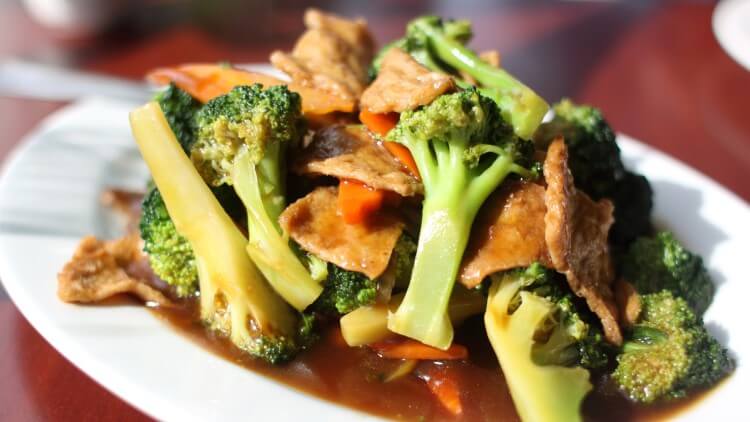
Broccoli on plate of food

Foods to Avoid on This Diet

Following a 1200 calorie diet plan means being super-strict with your food choices. Limiting yourself to this many calories will be tough so it's important to be smart about what you eat. Energy-dense foods and sugar should be avoided to help keep the calorie intake low. Here is a list of foods that shouldn't be eaten when following this diet…

  • Sugar and artificial sweeteners
  • Desserts, candy, chocolate, or anything sweet
  • Sugar-rich fruits – bananas, melon, cherries, mangoes, pears, grapes, anything dried or candied
  • Sugar-laden spreads – syrup, honey, molasses, jellies, jams
  • Processed snacks like crackers and chips
  • Starchy veg – carrots, butternut squash, beans, peas
  • Nuts or nut butters
  • Carbohydrates – rice, pasta, cereal, potatoes, popcorn
  • Calorie-rich drinks – soda, juice, energy beverages, sports beverages, alcohol
  • Meal supplements or replacement shakes

Although most carbohydrates are discouraged, a small single ounce portion of whole grain bread is permitted if it's eaten in the morning.

1200 Calorie 7-Day Meal Plan

Following a 1200 calorie diet is challenging for most people. It can leave you feeling hungry, deprived, and cravings all those satisfying foods that you're not allowed! The key to success is having some meal ideas planned in advance so that you always know exactly what you're eating. Here is a sample 1200 calorie diet menu for a week…

Two fried eggs in black frying pan

Monday

Breakfast – Poached Egg on Toast

  • 1 egg, 1 slice of wholegrain toast
  • Lunch – Vegetable Soup

    Dinner – Grilled Chicken Salad

  • 1 grilled chicken breast, 2 cups of spinach
  • Tuesday

    Breakfast – Berry Breakfast Smoothie

  • 1 cup of frozen berries, 1 cup of almond milk, 1 handful of leafy greens
  • Lunch – Vegetable Wrap

  • 1 sliced tomato, 1/2 avocado, handful of salad leaves, 1 large lettuce leaf to wrap everything up in
  • Dinner – Baked Salmon with Broccoli

  • 5 ounces of baked salmon, 2 cups of roasted broccoli
  • Wednesday

    Breakfast – Omelette Muffins

    Lunch – Tuna Salad

  • 1 can of tuna, 1 stick of celery (chopped), 2 cups of mixed greens, 1/2 apple (sliced)
  • Dinner – Steak with Cauliflower

  • 1 beefsteak, 2 cups of steamed cauliflower
  • Thursday

    Breakfast – Berry Yogurt Bowl

  • 1 cup of plain yogurt, 1 cup of berries
  • Lunch – Tomato Soup

  • 1 tin of tomato soup, 2 boiled eggs
  • Dinner – Salmon and Roasted Cabbage

  • 4 ounces of cod, 1 cup of roasted cabbage
  • Friday

    Breakfast – Boiled Egg with Toast

  • 1 egg, 1 slice of wholegrain toast
  • Lunch – Chicken & Kale Salad

  • 4 ounces of grilled chicken, 2 cups of kale, 1 sliced tomato, balsamic vinaigrette
  • Dinner – Mexican Fajita Bowl

  • 4 ounces of grilled shrimp, 2 cups of sautéed peppers and onions, 1 ounce of grated cheese, 1 tablespoon of full-fat sour cream
  • Saturday

    Breakfast – Green Breakfast Smoothie

  • 1 apple, 1 cup of almond milk, 1 handful of leafy greens
  • Lunch – Light Chicken Soup

    Dinner – Grilled Turkey Salad

  • 1 grilled turkey breast torn into strips, 2 cups of kale, squeeze of lemon juice
  • Sunday

    Breakfast – Spinach Omelette

  • 2 eggs, 1 cup of spinach, 1 ounce of grated cheddar cheese
  • Lunch – Tuna Wrap

  • 1 tin of tuna, 1/2 avocado, 1 sliced tomato, handful of salad leaves, 1 large lettuce leaf to wrap everything up in
  • Dinner – Eggplant Melts

    Aid Your Weight Loss with Natural Supplements

    When following a low-calorie diet, it can be helpful to take supplements too. They can suppress your appetite and help you deal with hunger pangs. They can also give your metabolism a boost so that it doesn't slow down due to decreased food intake. Here are a few supplements that can be helpful…

    • Caffeine – boosts your metabolism so that you burn more calories at rest. Drinking coffee can also be filling and satisfying so that the 1200 calorie diet is easier to stick with.
    • L-carnitine – found naturally in meat and vegetables, it boosts fat loss and increases energy to off-set any tiredness caused by the smaller meal sizes.
    • PhenQ – contains α-Lacys Reset®, along with caffeine, L-carnitine, capsicum, vitamin B3 and a host of other nutrients to decrease appetite, increase fat-burning, improve energy levels, and enhance mood.

    Dr Nowzaradan's 1200 Calorie Diet – Summary

    The 1200 calorie diet plan was made famous by Dr Nowzaradan on the My 600-lb Life TV show. It's aimed at morbidly obese people who want to lose weight. The plan involves restricting calories to kick-start rapid weight loss in preparation for bariatric surgery. This requires cutting sugar and carbohydrate from the diet so that meals mainly consist of lean protein and nutritious veggies. Following a weekly meal plan and taking high-quality supplements can help people stick to the rigid program more successfully.

    Dr Nowzaradan 1200 Calorie Low Carb Diet

    Source: https://phenq.com/blogs/nutrition/dr-nowzaradan-1200-calorie-diet-plan

    Share:

    Best Wine To Drink On A Low Carb Diet

    Best Wine To Drink On A Low Carb Diet

    If you're trying to limit your carb intake, you may think that wine is off the table. Luckily for you and wine lovers around the world, you can enjoy wine without overloading on carbs. The trick is knowing which type of wine to choose.

    In this article, we guide you through everything you need to know about carbs in wine and alert you to some of the things you may need to watch out for.

    Why Are There Carbs in Wine?

    During the winemaking process, the naturally occurring sugars in grapes ferment with yeast to create alcohol. However, during this fermentation process, any unfermented sugar remains in the wine. This leftover sugar is called residual sugar, which becomes the carbs in wine.

    As you may have guessed, wines that have lower sugar conten t during production also have fewer grams of carbohydrates per glass.

    Traditional winemaking methods steer clear of adding extra sugars and artificial sweeteners to wine as it ferments. However, cheaper, mass-produced brands often do this as a way to alter the flavors and speed up fermentation. It's a process known as chaptalization and it's only legal in certain regions around the world.

    On the other hand, Usual Wines are made in small batches, using the best tried-and-tested techniques. If you're trying to avoid carbs, stay away from commercial winemakers.

    How Do the Carbs in Wine Compare to Other Alcoholic Drinks?

    Rose bottle on a white sheet next to a single cherry and Pellegrino

    Wine is reasonably low-carb compared to other alcoholic beverages. Distilled spirits on their own are low-carb because the sugar has been distilled out, leaving only alcohol. However, most cocktails and mixed drinks are paired with high-sugar juices, sodas, and syrups. Long Island Iced Teas, for example, contain cola, lemon juice, and simple syrup, taking its carb level to 33 grams per 8.3 ounces.

    Beer is another drink that isn't the most friendly for a low-carb diet since starch is one of its primary ingredients. A 12-ounce can of beer has a carb content of more than 12 grams .

    Wine can have varying carb count, too. Some dessert wines have 14 grams of carbs per regular serving size. However, there is a wide range of wines, all with different flavors, alcohol levels, and carb content.

    How Can You Tell If a Wine Is High-Carb?

    If you're on a low-carb or keto diet, wine labels can be confusing. While most food and drink labels will clearly display the calorie, carb, and sugar content, wine doesn't.

    To help you better understand how to read labels on your hunt for low-carb wines, here are several different terms you need to keep an eye on.

    What to Avoid

    Eiswein or Ice Wine: Eiswein is made from pressing frozen grapes. This process results in a highly concentrated, high-sugar wine. While these wines are delicious, they're incredibly sweet and very high in carbohydrates.

    Late Harvest or Spätlese: Late-harvest wines are wines made from grapes that were left longer on the vine. These grapes are high in sugar, resulting in a sweeter wine with more carbs. Late-harvest wines are called spätlese in German.

    Dessert Wine: Otherwise known as sweet wines, dessert wines are tooth-achingly sugary. They pair beautifully with sweet puddings and desserts but avoid them if you're cutting carbs.

    Fortified Wine: Wines such as Port, Madeira, and sherry are examples of fortified wine. These are created with high levels of alcohol, which kills off yeast during fermentation, leaving more residual sugar. They're great when paired with cheese , but they're bad news if you want a low-carb wine.

    Süss or Doux: Sweetness comes in many languages. Süss is the German word for sweet and doux is the French equivalent. Demi-sec and dulce also indicate the wine is on the sweet side.

    What to Choose

    Sec or Trocken: Sec is French for dry, meaning it has lower sugar content. Trocken is the German equivalent.

    Brut or Extra Brut: Brut is the term to describe a dry Champagne or sparkling wine. Brut wines usually have as little as 0-12 grams of sugar per liter.

    Brut Nature: Brut Nature is the lowest level of sugar you can get for sparkling wine, with a mere 0-3 grams of sugar per liter.

    Which Wine Has the Lowest Carbs?

    Carbs in wine: Variety of Usual Wines next to shrimp cocktail

    Whether you're cutting down on carbs for the health benefits, weight loss, or other reasons, a glass of wine can still be part of your life.

    The good news is that an average glass of wine, say Pinot Noir or Chardonnay, has just over 3 grams of net carbs per 5-ounce serving. Compare that to a piña colada, with a hefty 43 grams of carbs per serving, and it seems wine is the way to go.

    The bad news is that not all wine is created equal. While brut or dry sparkling wines have just a single gram of carbs per serving, full-bodied reds such as Burgundy have over 5 grams.

    As a general rule of thumb, full-bodied red wines such as Malbec, Grenache, Cabernet Sauvignon, and Zinfandel tip the scale in regards to carbs. Meanwhile, dry white wines such as Sauvignon Blanc, Pinot Grigio, and Brut Champagne or sparkling wines are lower in carbs.

    If you simply can't resist a glass of red wine, go for lighter-bodied reds such as Pinot Noir or Syrah. These weigh in at a reasonable 3.4 grams of carbs per glass.

    Can You Stay Healthy While Drinking Wine?

    While some research shows that alcohol consumption can increase weight gain, keep in mind that the odd glass of wine is not going to completely ruin your low-carb or ketogenic diet.

    The key is to be mindful of what you're drinking and what you're eating. One survey found that people who drink alcohol don't just ingest the calories from their drinks they also consume extra calories while drinking.

    That said, studies show that drinking red wine in moderation is good for your health , particularly heart health. When it comes to alcohol consumption, drinking in moderation means a glass of wine per week.

    While sweet wines and full-bodied wines are wonderful, it's probably best to save these for special occasions and opt for lighter-bodied options with low sugar content.

    Cut the Carbs While Drinking the Wines You Love

    Carbs in wine: Person holds Usual Wines red

    Just because you're watching your carb count doesn't mean you have to miss out on all the fun. Remember to limit full-bodied reds and sweet wines, and opt for lighter-bodied reds such as Pinot Noir. For the best low-carb, high flavor experience, choose dry wines such as sparkling brut or Sauvignon Blanc.

    And don't forget that as with so many things in life, moderation is key in this case, a glass of wine a week. By making a few adjustments and knowing what to look for, you can still enjoy the wine you love and achieve your health goals.

    Best Wine To Drink On A Low Carb Diet

    Source: https://usualwines.com/blogs/knowledge-base/carbs-in-wine

    Share:

    Low Carb Diet Night Sweats

    Low Carb Diet Night Sweats

    A low-carb or carb-free diet can help steer you away from sugary and starchy foods like bread, pasta, and cereal. Low-carb diets are high in protein and fats and can offer an alternative to counting calories or grams. The diet isn't for everyone, however; people with medical conditions such as diabetes or high blood pressure, as well as pregnant and nursing women, should consult with their general practitioner before making significant dietary changes. Even when a lot of treats are off the table, there are still some great options for people given the go-ahead to adopt a low-carb diet.

    Eggs

    Eggs are an excellent low-carb food. They contain almost zero carbohydrates, but provide plenty of nutrients including vitamins A, D, E, and B, calcium, iron, phosphorus, zinc, and selenium. Egg yolks contain choline, which is essential for brain development, nerve function, muscle movement, and energy. Eggs are one of the most affordable sources of quality protein.

    Fish

    Seafood, including salmon, tuna, mackerel, haddock, trout, sardines, and anchovies, are free of carbohydrates. Fish is rich in fats and protein. Fatty fish, including salmon, char, mackerel, and sardines, are some of the best for your health because they contain omega-3 fatty acids that fight inflammation and lower the risk of developing conditions such as autoimmune diseases, metabolic syndrome, heart disease, Alzheimer's disease, and cancer. These nutrients are particularly vital during pregnancy; the fetal brain requires them for healthy development.

    Red meat

    Red meat, including beef, lamb, pork, and veal, is also carb-free, excepting organ meats like liver. Beef is full of iron and vitamin B12, which helps make DNA and keeps nerves and red blood cells healthy. Depending on the cut, meat may be more or less fatty. This makes it possible to choose your dinner options based on the ratio of fat to protein you need that day.

    Poultry

    Chicken, turkey, and duck are quality protein sources that contain zero carbohydrates. If you're looking for lean protein, chicken breast contains 80% protein and 20% fat. Some people on low-carb diets prefer to stick to fattier cuts such as the thigh, leg, and wing, however. Chicken provides plenty of essential vitamins and minerals and is low in cholesterol and sodium when the right portion size is properly prepared.

    Cheese

    Hard cheeses like Muenster, Gouda, cheddar, Colby-Jack, and Swiss are generally no more than one or two percent carbohydrate. Cheese is high in fat and a great source of protein as well. It also boasts ample quantities of vitamin B12 and calcium. Cheese comes in many flavors and textures, making it a versatile food.

    Greek Yogurt

    While not completely carb-free, Greek yogurt is a low-carb option, usually made up of about 12 grams per cup, and has around 40% of your recommended daily intake (RDI) of protein. It is also a great source of calcium and phosphorus. One of the most beneficial things about yogurt is its probiotic content. Probiotics are good bacteria essential to gut health. They boost immune system function, aid in nutrient absorption, and fight off bad bacteria.

    Butter

    Butter is approximately 80% fat and 20% water. It does not contain any carbohydrates or proteins. It is, however, a great source of vitamins A, D, and E. Butter is also rich in healthy saturated fats that raise good HDL cholesterol, but it can raise bad LDL cholesterol and as such should be consumed in moderation. The America Heart Association recommends eating only 13 grams of saturated fat every day. Butter contains many fatty acids that support brain development, as well, making it a good condiment for growing children.

    Nuts and seeds

    Nuts and seeds are popular low-carb diet options. These "brain foods" are an excellent source of omega-3 fatty acids and contain plenty of antioxidants for optimal brain function. Almonds are 15% carbs, 72% fats, and 13% protein; while they may not be as low-carb as walnuts, one serving has only 9 grams of carbs, about half of which is fiber. Seeds, including hemp, chia, flax, and pumpkin, are all relatively low in carbs and high in healthy fats and protein, as well. Best of all, they're an easy grab-and-go pick for snacks.

    Oil

    All oils are carb-free, but the healthiest are unrefined or cold-pressed, including extra-virgin olive, coconut, and avocado oils. Olive oil is loaded with antioxidants, anti-inflammatories, and anti-cancer compounds and is proven to be particularly supportive of heart health, helping fend off strokes and heart attacks.

    Low-Carb vegetables

    Some vegetables are high in carbs, and some are not. Low carb veggies include asparagus, mushrooms, broccoli, cauliflower, bell peppers, cucumbers, zucchini, spinach, green beans, lettuce, kale, and collard greens. Vegetables to avoid on a low-carb diet include the sweet or starchy ones such as potatoes, sweet potatoes, yams, peas, corn, parsnips, and legumes.

    Avocados

    Avocados are a unique fruit because instead of being high in carbs, like most of their kind, they are full of healthy fats. They have a wide and varied nutritious profile and even contain more potassium than a banana. They're an excellent source of vitamins C, E, and K, as well as B-vitamins, folate, and many essential minerals.

    Low-Carb Beverages

    Watch out. There are a lot of carbs hiding in sugary drinks like soda and juice. If you're on a low-carb diet, try to steer clear of beverages with added sugar. People on this diet can opt for water, coffee, tea, and sparkling water.

    Low Carb Diet Night Sweats

    Source: https://facty.com/food/nutrition/12-low-carb-foods-for-dieting/

    Share:
     
    banner